 index of stories
index of stories
index of stories
An abandoned station in northern Italy.
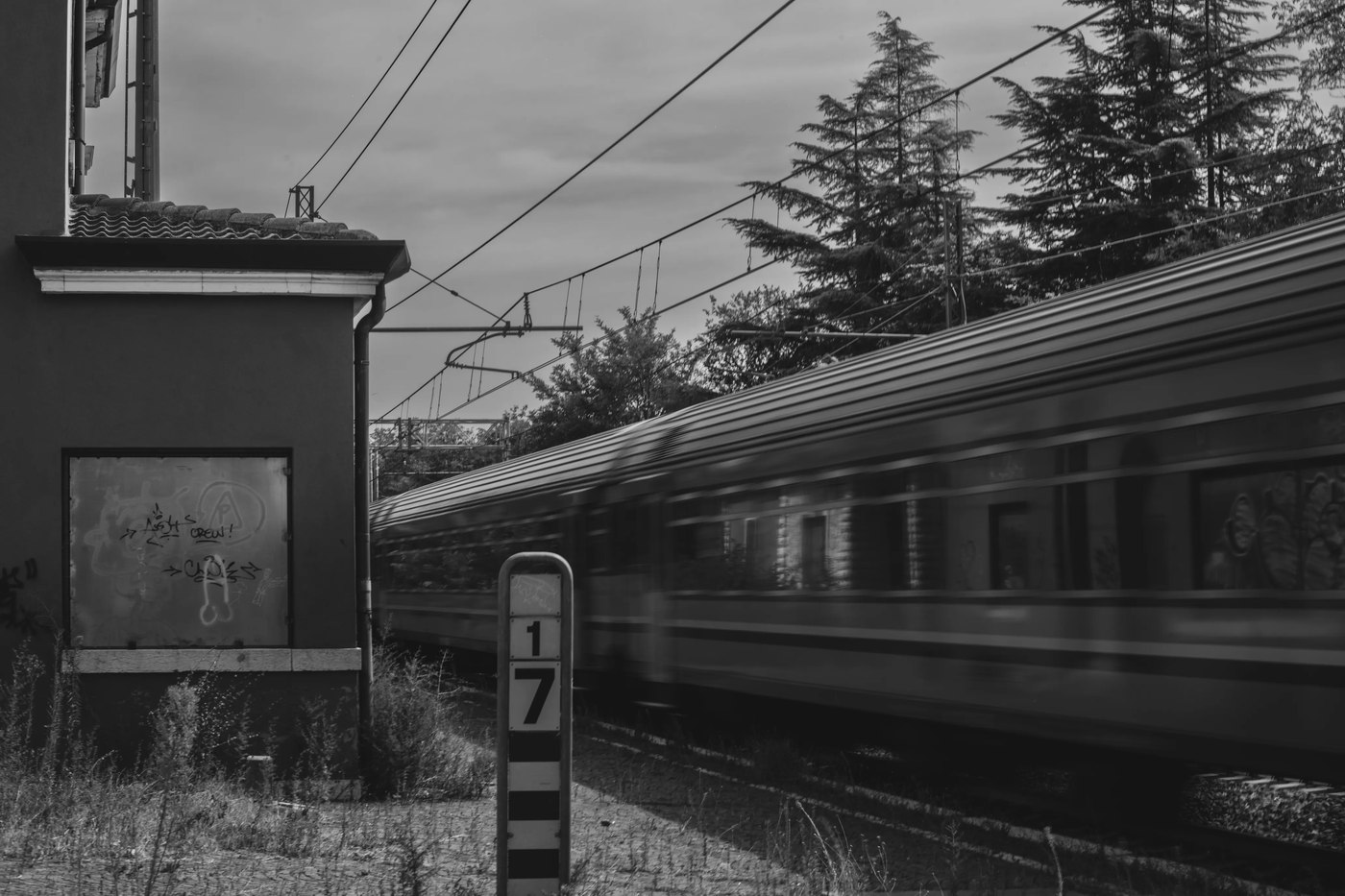
The trains no longer stop here, but the track has run unchanged since 1938. In that year, a very young girl waited with her older sister on this same platform. For some desperate families, it was a time of sending very young workers to Germany, which was eagerly seeking, in exchange for payment, foreign labor. The true purpose would only become clear a year later.
I imagine her fear at fourteen, and that of her sister, only three years older. They had never left their village, and this station already lay dozens of kilometers from everything they had known, their whole world. Practically a foreign land, even though the surroundings looked the same; the Venetian dialect, the only language they spoke, was already slightly different here.
Yet the tie to their childhood land was still palpable, if only through the distinctive bell towers of the Veneto. The mood shifts as, timidly, they step into the carriage: another first for them, crowded with young people who all seemed older.
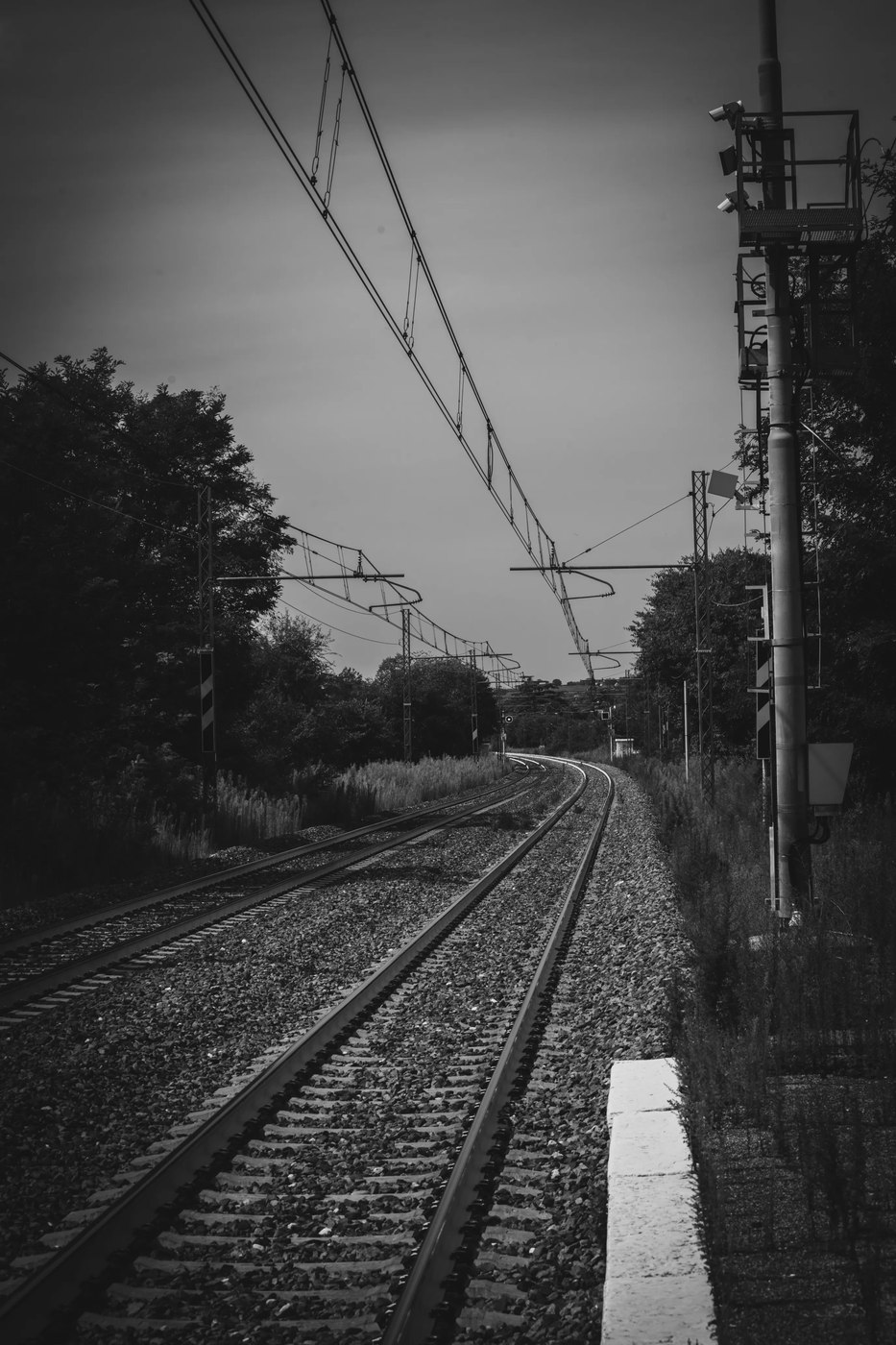
Already, accompanied by almost premonitory creaks, the train begins its journey along the long straight track they had watched for tens of minutes from the platform. The leftward curve begins, the leap into the unknown now certain, irreversible. Then the Brenner Pass comes into view; Austria, following the Anschluss, has been German for some months now. There is no need to describe the mood in the crowded carriage: everyone tries to reassure one another, some even sing. They are convinced that the money sent home to their families will restore a form of dignity, a dignity that is inevitably lost the moment hunger becomes an obsession of every waking moment.
Of the first years, exhausting for anyone, and even more so for teenage girls made to work in vast agricultural estates, there is nothing to say; of what came after, nothing can be said at all. The unspeakable becomes ordinary: from field labor they move on to mobile camps with the German army. Digging the earth, not for its harvest, but for trenches that would consume lives and absorb their blood. This, on the Eastern Front, in Silesia. From voluntary workers, they become prisoners (their chests bound so as not to draw attention) for the cause of the Reich. Thirty-six months of infamy, then three more with the Russians, who were to decide their prisoners' fate: the plains of Ukraine, or return to the motherland.
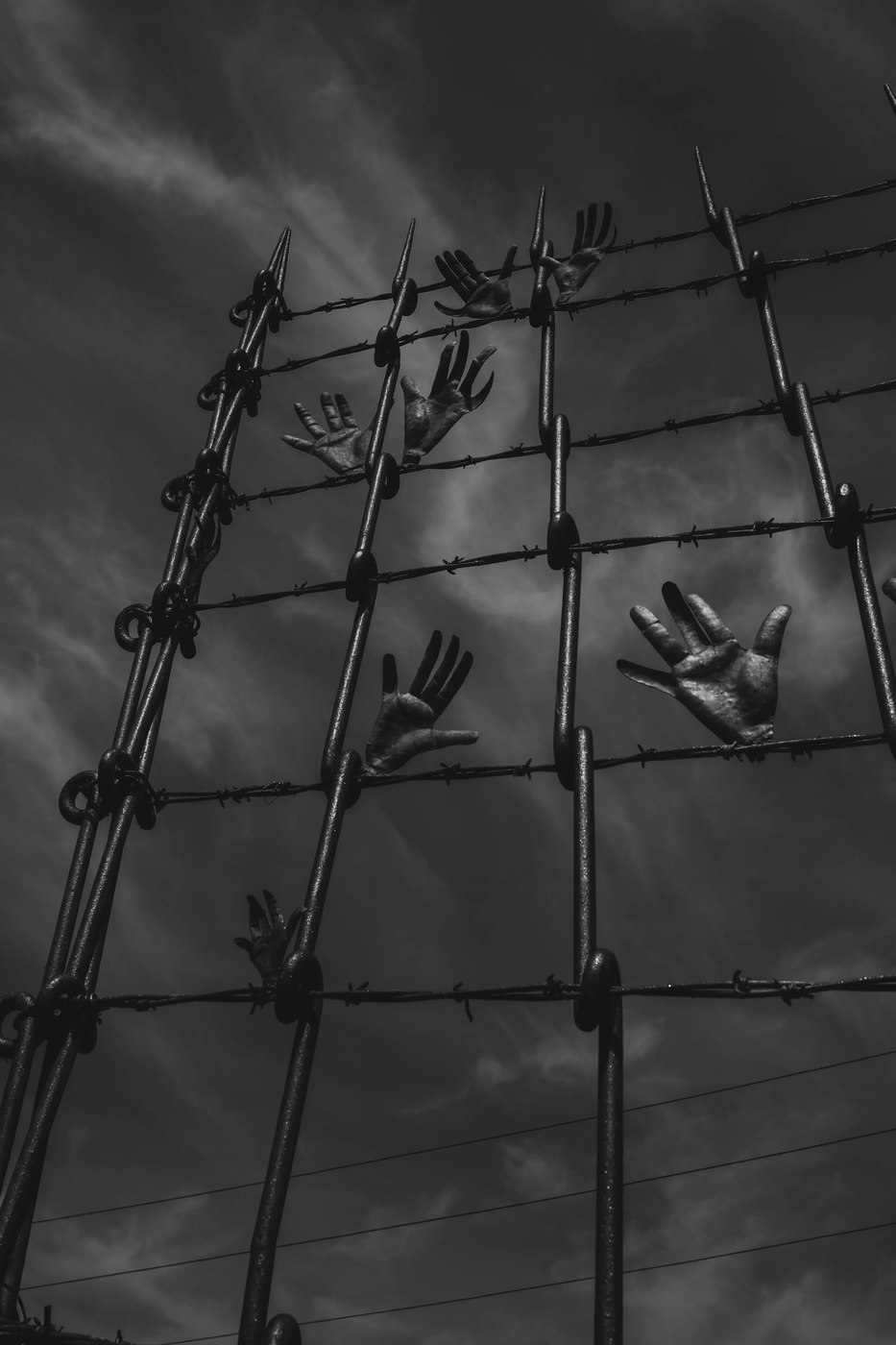
Of the painful questions that arise, the hardest has nothing to do with the madness that set Germany ablaze. How could parents, a society, a state, a religion, send children across the Alps in such conditions? With no contact once there? Without knowing the language?
Why the daughters, rather than their brothers?
Of course, the Italian state, having encouraged their departure, later commemorated at this very place, with a monument attached to the abandoned station, the glorious return of prisoners and deportees. Looking closely, one gets the clear impression that it was designed to require no upkeep at all; some things in Italy never change…
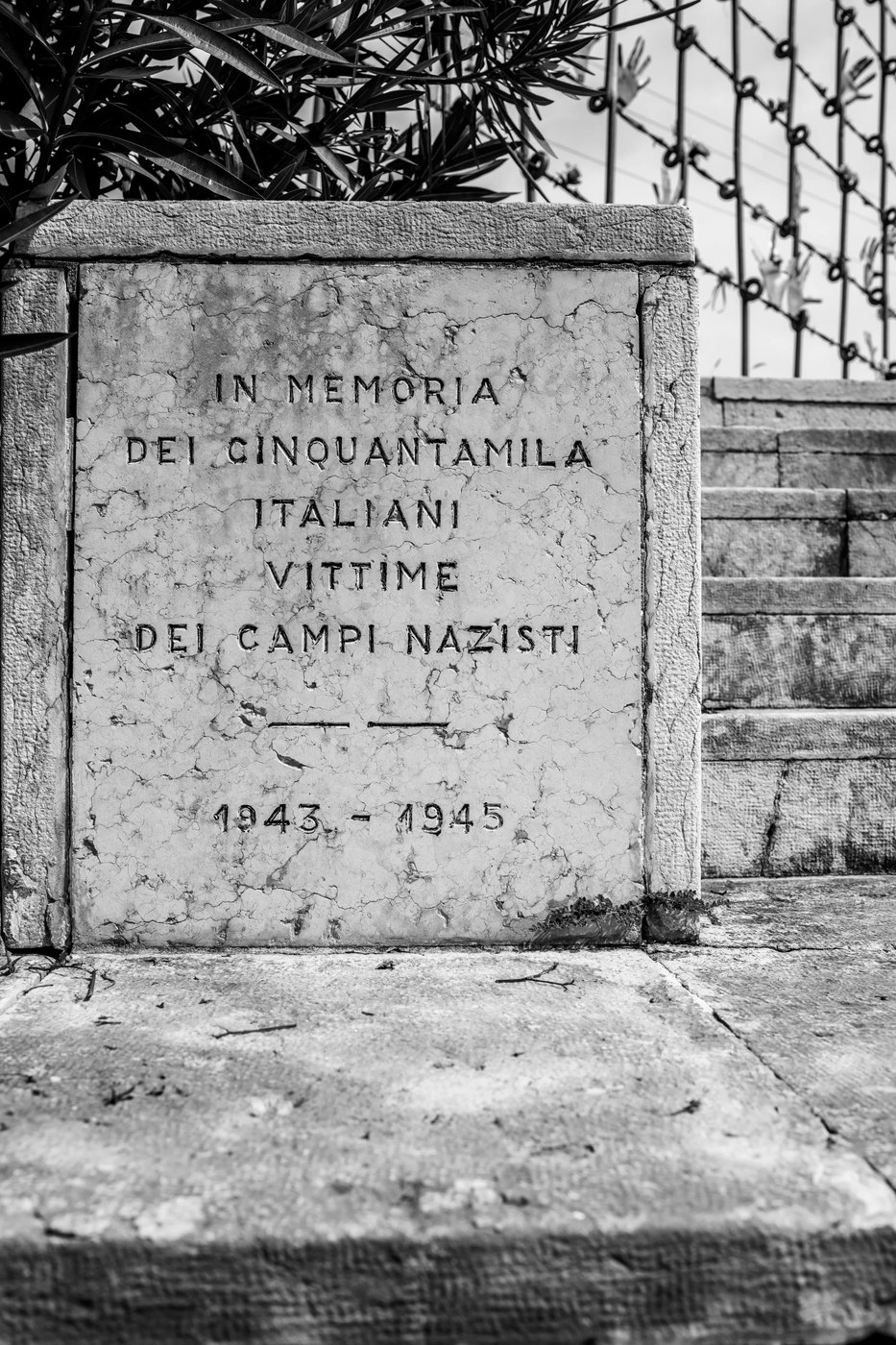
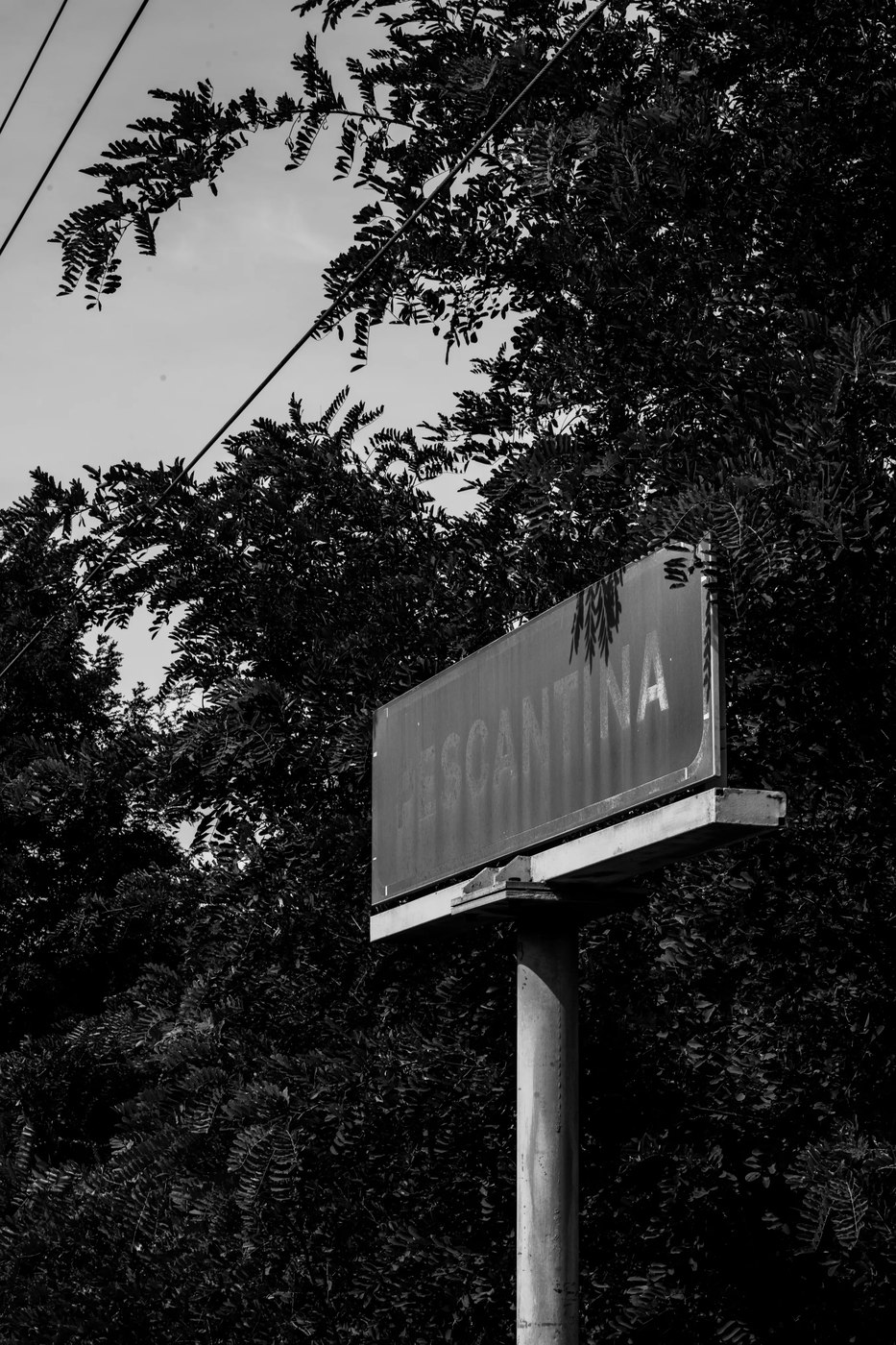
The name of this village is Pescantina. The renowned writer Primo Levi passed through here on his way back from the camps of horror. So did my mother.